
Draft Alice Springs water allocation plan 2026-2036
About the Alice Springs water plan
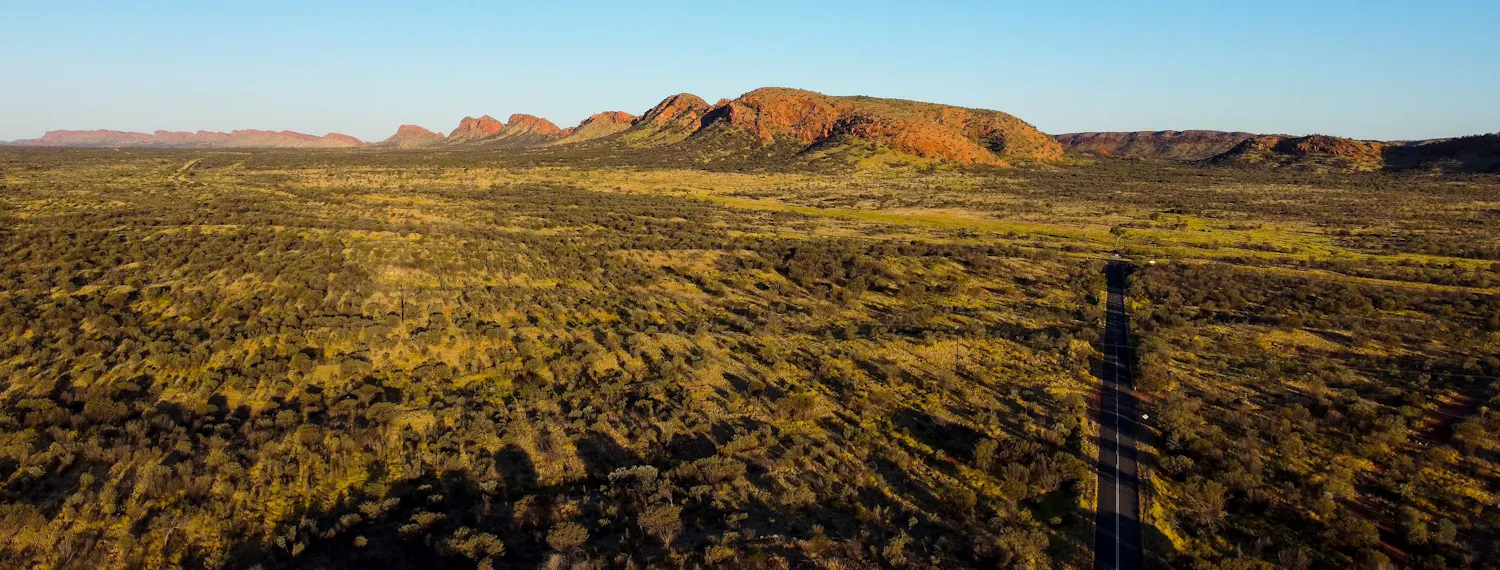
The Alice Springs plan area is in the heart of Australia. The climate is hot and arid characterised by low average annual rainfall, very high evapotranspiration and pronounced inter-annual variability. There are no permanent rivers or surface water sources. This means groundwater is the only reliable water supply for the town of Alice Springs.
As the Northern Territory’s second largest town, Alice Springs is expected to grow. With population growth and economic development, it is important to secure water for homes, businesses, industry, agriculture and the environment. A water plan has been in place for Alice Springs since 2007 to help manage and protect this vital resource.
The current Alice Springs Water Allocation Plan 2016–2026 will expire on 15 February 2026.
The Department of Lands, Planning and Environment is developing a new 10-year water plan for 2026–2036. This will be the third water plan for Alice Springs. It will be declared by the Minister for Water Resources in 2026.
The new plan will continue to:
Protect key groundwater resources
Set limits on how much water can be taken
Manage how water is used
We welcome your comments and suggestions to improve the plan. Public consultation will run from 16 February to 17 March 2026. During this time, you can review the draft plan and have your say.
The draft Alice Springs Water Allocation Plan 2026–2036 includes three main documents:
Water Plan 2026–2036
Sets the Estimated Sustainable Yield (ESY) — the amount of water that can be taken each year without harming the resource
Defines the rules for managing and allocating water
Background Report
Explains the science, data and methods used to develop the plan
Describes the environmental values that depend on water
Summarises the social and economic context, including current and future water use
Implementation Actions
Outlines a 10-year work program
Supports adaptive water management
Details ongoing monitoring, data collection and analysis of water quantity, quality and use